
Armed with semi-automatic rifles and concealing their faces behind heavy masks, paramilitary community guards wave vehicles through a fortified perimeter checkpoint at the entrance of San Ángel Zurumucapio. The armed barricade is a stark testament to the profound insecurity that has gripped this rural indigenous settlement in the western Mexican state of Michoacán. For the hamlet's residents, the very crop that promised to lift their families out of generational poverty has also delivered an unrelenting wave of criminal violence.
Riding past the neighborhood guards in his pickup truck, 18-year-old Óscar García nods at the masked figures, recognizing several familiar townspeople beneath their tactical gear. Seated beside him in a straw cowboy hat is his 74-year-old grandfather, Francisco García, who laments the dramatic transformation of a region that was once impoverished but fundamentally peaceful. For generations of local families, the explosive rise of the avocado industry seemed like a financial miracle, but the lucrative harvest ultimately brought terror directly to their doorsteps.
San Ángel Zurumucapio is a close-knit community of roughly 6,000 residents deeply rooted in P'urhépecha indigenous heritage. In this quiet town, where most families share distant genealogical ties and social life traditionally centers on periodic community rodeos, economic opportunities were once vanishingly rare. Decades ago, the surrounding mountains were covered in dense virgin pine forests rather than manicured orchards, leaving local men with few options to support their households.
As a young laborer, Francisco scraped together a meager living by tapping natural resin from the towering native pines, traversing the rugged mountain slopes on horseback. At the time, migrating northward was considered the only viable path to achieve upward financial mobility. Francisco eventually traveled to Texas for work, laboring abroad long enough to fund the construction of a family home back in Mexico that was spacious enough to accommodate his 12 children.
That migratory cycle repeated itself with Francisco’s eldest son, known locally as Pancho. As a teenager, Pancho traveled to the United States to spend six grueling years working on a Christmas tree farm in North Carolina. Upon returning to San Ángel Zurumucapio to establish a permanent life with his wife, Terésa Pérez, he immediately began clearing a plot of woodland to cultivate avocado trees, anticipating a dramatic shift in agricultural trade.
The defining catalyst for the regional economy arrived in 1997, when the United States lifted its long-standing import prohibition on Mexican avocados under the framework of the North American Free Trade Agreement. The policy shift unleashed an insatiable global demand for the fruit, turning Michoacán into the epicentre of international avocado production over the subsequent three decades. For countless agrarian families like the Garcías, the booming trade provided unprecedented financial stability.
With their newly established orchards flourishing, Pancho and Terésa managed to transition from working-class struggle into a comfortable middle-class life. They built a spacious residence, purchased modern vehicles, took their family on beach vacations, and provided their three children—Ana, Óscar, and José—with quality clothing and good schooling. Across San Ángel Zurumucapio, anyone with sufficient capital followed the exact same path, planting rows of avocado saplings across the fertile volcanic hillsides.
Yet the rapid expansion of the industry carried severe environmental consequences. The conversion of hundreds of thousands of acres of indigenous woodland into monoculture orchards fundamentally altered the local ecosystem. Widespread deforestation contributed to noticeably higher temperatures and caused regional rainfall patterns to decline, putting further stress on the landscape while economic stakes continued to skyrocket.
The massive influx of cash into the rural countryside soon attracted violent criminal syndicates. By the mid-2000s, organized crime groups operating across Michoacán—already heavily involved in the illicit trafficking of cocaine, heroin, and synthetic methamphetamine—began aggressively diversifying their portfolios. Seeing vast profits in the legitimate agricultural sector, armed cartels moved directly into the avocado trade through land seizures, illegal logging, and systemic extortion.
Criminal organizations demanded exorbitant "protection" taxes from local growers, threatening severe violence against any farmers who dared to defy their dictates. In San Ángel Zurumucapio, brazen gunmen began patrolling public streets in flashy pickup trucks, openly consuming marijuana and blasting banda music to intimidate the townspeople. For younger residents like Óscar, daily life quickly became defined by fear and vigilance.
Growing up under the shadow of cartel expansion, Óscar witnessed armed confrontations erupt in the middle of town, once ducking for cover during a shootout adjacent to a roadside shrine of the Virgin Mary that his grandfather had helped erect. Gun battles also broke out near his school, while the parents of his classmates regularly vanished, held hostage in hidden encampments until their families could scrape together enough ransom money to secure their release.
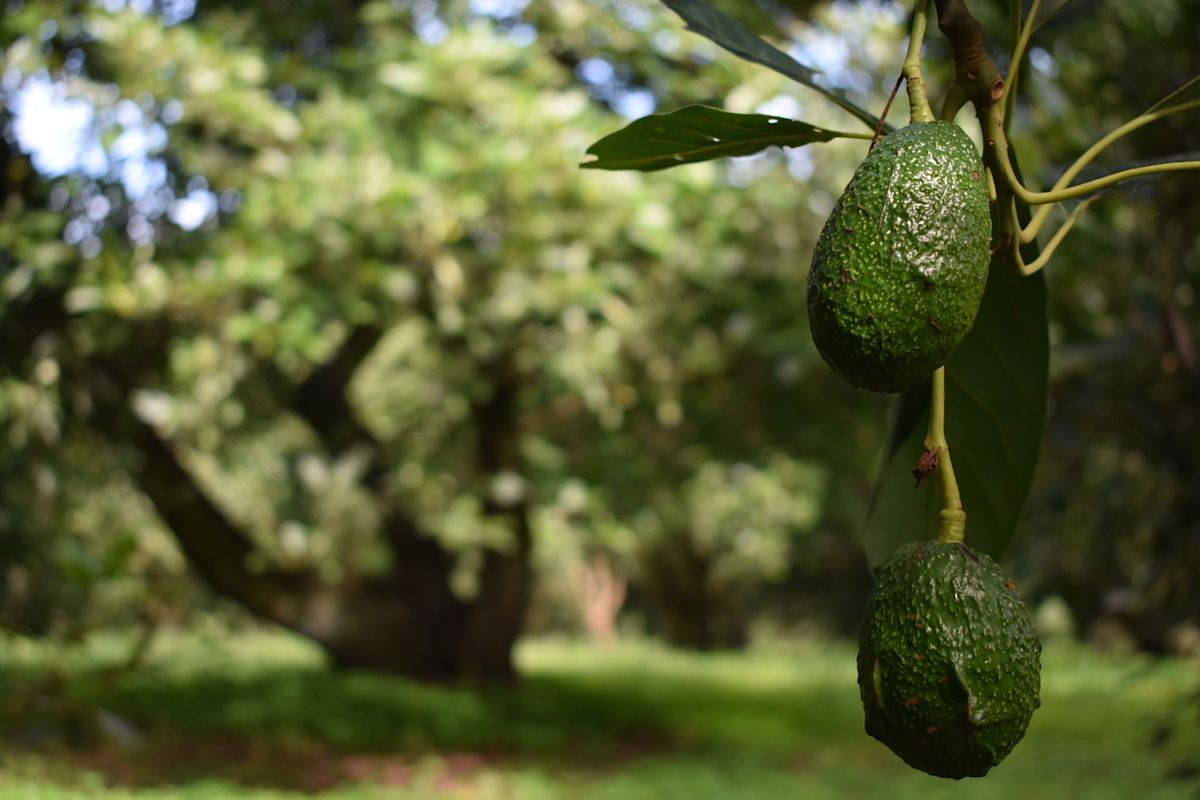
Despite the pervasive danger, Pancho maintained a quiet, unassuming routine, teaching Óscar agricultural skills such as soil fertilization and the detection of destructive tree fungus at their remote family orchard. Unlike many relatives and neighbors who purchased firearms to defend their properties, Pancho adamantly refused to carry weapons, maintaining that he had no personal enemies. That sense of security was shattered when Pancho disappeared, leaving behind only his abandoned pickup truck parked along a rutted dirt road near the family's grove.
The disappearance of his father forced Óscar to assume full management of the family orchards at just 18 years of age. Pausing his vehicle at the exact spot where his father’s truck was discovered, Óscar faces the daily reality of cultivating the valuable crop amid ongoing anguish and uncertainty. His father's presumed kidnapping underscored the severe vulnerability of local farmers whose livelihood sits on isolated mountain acreage.
Pushed to the brink by relentless extortion, kidnappings, and state neglect, the indigenous inhabitants of San Ángel Zurumucapio eventually established their own armed self-defense militia and embraced a model of autonomous self-governance. By setting up reinforced security checkpoints, mounting armed patrols, and barricading town entrances, the community aims to safeguard its growers and preserve what remains of its hard-won prosperity.
Even with local defense forces standing guard along the mountain roads, the broader crisis throughout Michoacán remains unresolved. The persistence of organized crime and unchecked extortion serves as a stark reminder of the perils that accompany the lucrative fruit. For the indigenous growers of San Ángel Zurumucapio, the avocado boom provided a vital economic lifeline, but it also saddled their community with an enduring legacy of violence and fear.





(0)