
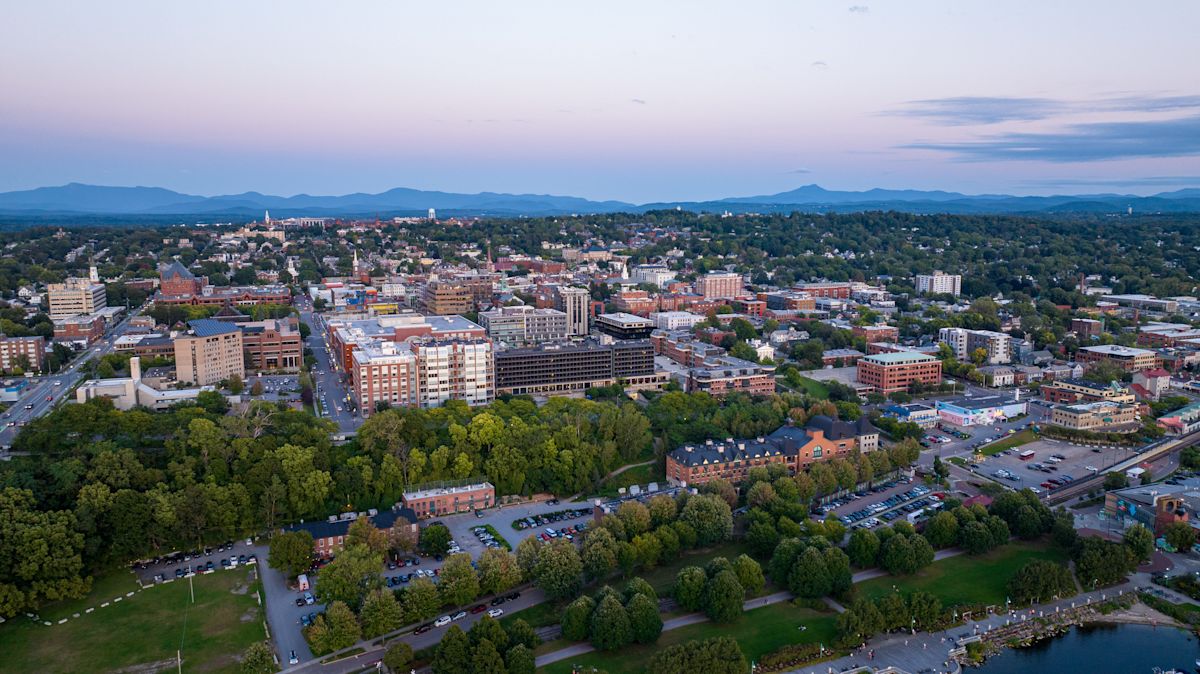
Vermont has made noticeable strides in resident satisfaction over the past year, rising to the 22nd spot nationally in WalletHub's newly published 2026 Happiest States in America report. While the Green Mountain State demonstrated measurable improvement across several key quality-of-life indices, its overall score fell short of securing a place among the country's top ten happiest locations.
According to the annual study, Hawaii earned the distinction of being the happiest state in the nation, claiming the No. 1 ranking overall. New Jersey followed in second place, with Utah, Idaho, and Maryland filling out the remainder of the nation's top five happiest states.
The 2026 findings arrive at a time when many Americans nationwide continue to confront broader economic uncertainties. WalletHub pointed to survey data from Gallup showing that only 44% of Americans currently report being "very satisfied" with their daily lives. The report emphasized that comprehensive well-being remains closely tethered to a combination of health, employment conditions, personal relationships, and ongoing financial stability.
For Vermont, the 2026 placement represents a solid step forward compared to the previous year. In the 2025 edition of the evaluation, Vermont occupied the 29th position, meaning the state climbed seven spots in the nationwide assessment over a 12-month period. In the current overall ranking, Vermont sits directly behind Florida at No. 21 and just ahead of Kansas at No. 23.
WalletHub evaluated all 50 states across several core dimensions designed to capture both personal and structural indicators of happiness. Vermont demonstrated strong performances in specific subcategories, finishing No. 7 in community and environment and No. 9 in work environment. However, the state’s broader ranking was weighed down by a lower placement in emotional and physical well-being, where it landed at No. 31.
A closer look at individual metrics reveals several areas where Vermont led the entire country. The report awarded Vermont the No. 1 ranking nationwide for its adequate-sleep rate, its sports participation rate, and its overall safety rating. These top finishes highlight the state’s active lifestyle habits, restfulness, and secure community settings.
Vermont also registered impressive scores in several workplace and labor categories. The state took the No. 2 spot in the country for having the fewest mean work hours, underscoring a favorable balance between professional obligations and personal time. Furthermore, Vermont tied with Hawaii, Montana, and South Dakota for the second-lowest long-term unemployment rate in the nation.
These labor and environmental advantages helped counterbalance the state's more modest performance in the physical and emotional well-being subcategory. Although residents benefit from top-tier safety, lower work hours, and strong physical activity, the No. 31 placement in broader well-being prevented Vermont from breaking into the upper tier of the country's happiest populations.
The study's conclusions provide a fresh look at the state's population and economic profile. Demographic data from the U.S. Census Bureau indicates that Vermont had an estimated population of approximately 644,600 residents as of July 2025. Across the state, there are roughly 273,400 households, with an average household size of 2.28 persons.
In terms of baseline economic indicators, the Census Bureau reported that Vermont's median household income stood at $81,203 between 2020 and 2024. Across diverse communities—ranging from the urban center of Burlington to the state capital of Montpelier and the resort town of Stowe—these financial conditions interact with local lifestyle factors to shape everyday satisfaction.
WalletHub's evaluation methodology assessed happiness through multifaceted quality-of-life dimensions, analyzing metrics such as mental and physical health, financial security, employment conditions, social connectivity, leisure time, and safety. The annual report aims to illustrate how state-level environments and policies influence the daily lives of residents.
WalletHub analyst Chip Lupo explained that top-ranking states typically provide well-rounded environments rather than excelling in only one single metric. "The happiest states are those that provide above-average quality of life in a wide variety of areas, from strong state economies and great physical and mental healthcare to adequate amounts of leisure time and good weather," Lupo said in a statement accompanying the report.
Lupo also highlighted the nuanced relationship between personal income and life satisfaction, emphasizing that financial wealth alone does not guarantee a top ranking. "It's also important to note that while the adage that money can't buy happiness has a lot of truth to it, having enough money to live comfortably is still essential," Lupo noted, adding that beyond comfortable living, higher income does not necessarily enhance happiness as much as having fulfilling hobbies, strong relationships, and opportunities for personal growth.
Beyond the top five states, other locations securing spots in the national top ten included Nebraska at No. 6, Connecticut at No. 7, Minnesota at No. 8, California at No. 9, and neighboring New Hampshire at No. 10. Farther down the list, other New England states appeared throughout the middle rankings, including Massachusetts at No. 13, Rhode Island at No. 29, and Maine at No. 34.
At the opposite end of the spectrum, several states struggled across multiple well-being categories. West Virginia finished at the bottom of the national ranking in 50th place, preceded by Louisiana at No. 49, Arkansas at No. 48, Alaska at No. 47, and Kentucky at No. 46.
By advancing seven positions to reach No. 22, Vermont demonstrated significant strength in safety, work-life balance, and community environment. As nationwide levels of satisfaction continue to be tested by economic pressures, Vermont's leading scores in recreation, sleep, and employment stability reflect the key positive elements defining the state's overall quality of life.


(0)