
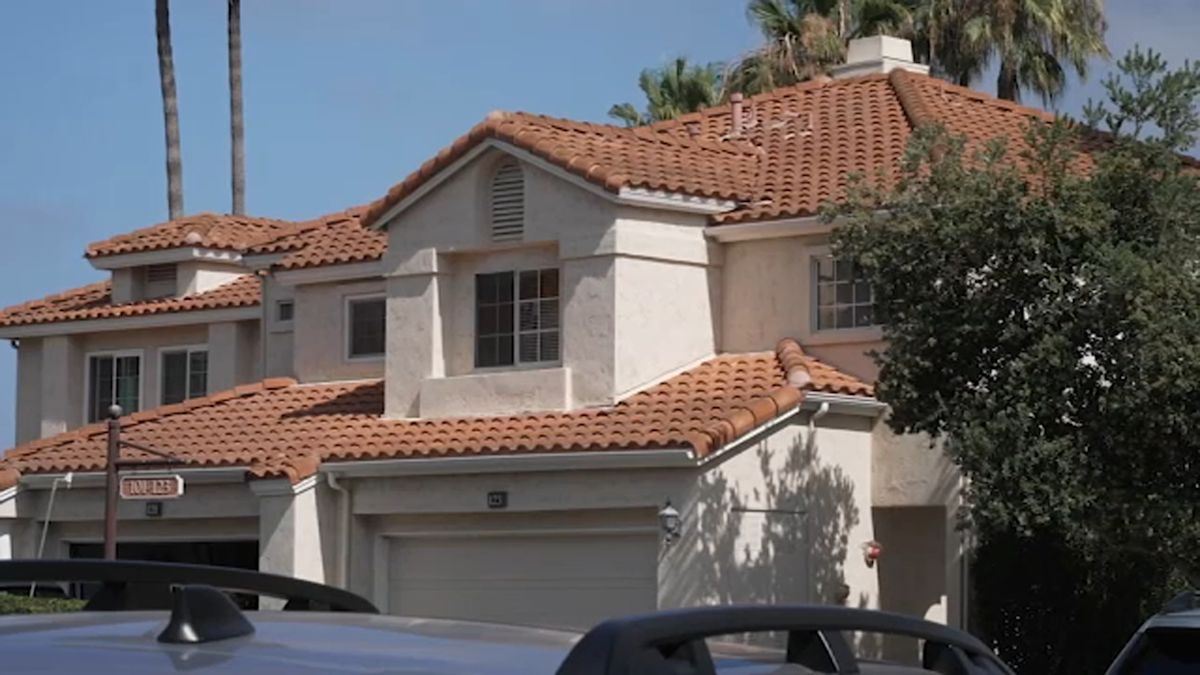
Homeowners at the Villa Moura condominium complex in San Clemente, California, are grappling with a significant financial burden after being hit with a $26,000 emergency assessment for roof replacements. The sudden imposition of the fee has left many residents in shock and uncertainty, prompting a pushback against the homeowner's association (HOA) board.
The assessment, which has been imposed on each of the 198 units in the complex, has raised concerns about the legality of the move and its impact on the financial stability of the residents. Beverly Albright, an 81-year-old resident, expressed her frustration, stating, "I will have to move. And this was my... I've worked very hard to make it so that I could be here."
Many residents believe that the assessment is an excessive burden, particularly for those on fixed incomes. Megan Blanda, a homeowner, commented, "They're not going to be able to afford this, and the board's response is to take out a loan, or take out equity of your house, or dip into your retirement, and I feel like that's just unacceptable."
The residents are taking legal action against the HOA board, seeking to recall its members and filing a claim that alleges the board violated the law. Noah Martin, a homeowner, argued that the project does not qualify as an emergency under state regulations and that residents should have been allowed to vote on how to address the roofing work.
The residents also claim that the HOA board has known for several years that repairs were needed to the tile roofs, but they contend that only the underlayment needs replacement, not all of the tiles. They are calling for competitive bids and negotiations in the best interest of the homeowners.
Michael Kushner, an attorney and HOA expert not involved in the dispute, noted that large special assessments have become more common and that homeowners generally must pay assessments even while challenging them. "Homeowners have to pay those, even if they're completely illegal. They have to pay them and then dispute them," Kushner said.
The residents have been given three payment options: pay the full assessment in one payment, split the amount into two payments, or add more than $2,000 to their monthly payment for six months and $400 thereafter. The financial impact has left some residents uncertain about how they will cover the cost, with concerns about the potential loss of their homes.
The HOA board has remained silent on the matter, citing ongoing legal issues. Meanwhile, residents are considering filing a lawsuit against the board. Experts advise homeowners living in HOA communities to consider loss assessment coverage as part of their insurance policies, which can help cover emergency HOA assessments.
The situation at Villa Moura highlights the complexities and challenges that can arise within HOA communities. As more communities adopt this form of governance, the need for transparency and accountability in HOA operations becomes increasingly important.


(0)