
A protracted legal battle over public records has exposed serious concerns regarding oversight and accountability at the Chicago Transit Authority. Following months of resistance and a lawsuit, the transit agency released hundreds of internal records detailing complaints against Action K9 Security, a private contractor tasked with patrolling rail platforms. The disclosures reveal a history of grievances involving canine welfare, guard misconduct, and questions over how incidents are investigated across the nation's second-largest public transportation network.
The agency's reluctance to turn over documentation comes at a sensitive time, as transit officials actively attempt to rebuild rider confidence and address persistent worries over safety. Critics and legal observers argue that the transit authority demonstrated a disregard for state transparency laws by repeatedly stonewalling legitimate requests for public files, ultimately requiring court intervention to make the contractor's performance history public.
The documentation was finally obtained after Chicago attorney Conley Wouters initiated legal proceedings against the transit agency. Wouters sought copies of the vendor's operating agreement along with all customer grievances lodged against the security company. The released records show that since 2022, riders have submitted 133 separate complaints concerning Action K9 Security, highlighting issues ranging from improper animal handling to unprofessional conduct by security personnel.
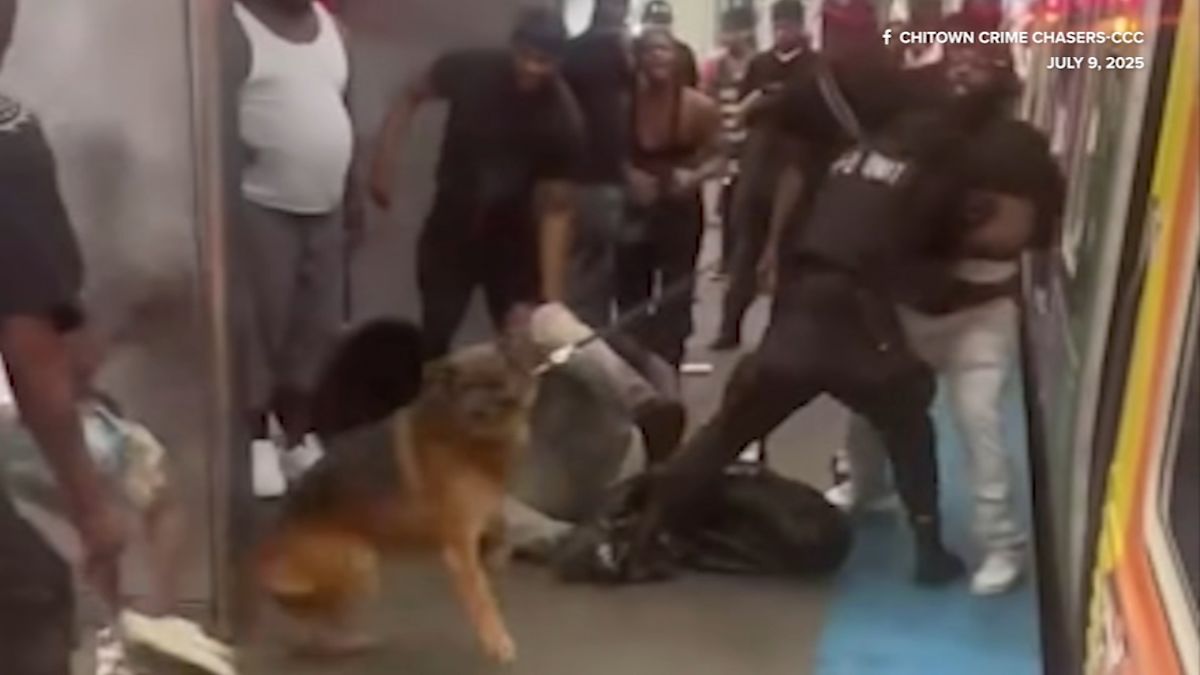
Public scrutiny surrounding the contractor intensified significantly after a chaotic confrontation on July 9, 2025, at the 69th Street Red Line platform. Video footage of the violent clash between four individuals and canine handlers was shared widely on social media by a local crime monitoring page, alarming passengers across the city.
The video footage captured a chaotic scene in which punches were exchanged, trash receptacles were thrown, and one of the private security handlers was knocked onto the active train tracks. During the altercation, an unbidden German Shepherd repeatedly bit both suspected assailants and handlers, prompting deep concern regarding whether the working animals and their human handlers possessed adequate tactical training.
The viral footage generated immediate backlash from commuters, many of whom contacted transit administrators directly to question the preparedness of the private guards and demand formal accountability. For Wouters, the video served as the primary motivation to probe deeper, specifically out of concern that working canines on the transit system were being subjected to mistreatment or unsafe working conditions.
Private canine handlers have represented a recognizable presence on rail platforms throughout Chicago for more than ten years. Dressed in standard black uniforms and accompanied by muzzled German Shepherds, the guards are deployed to project authority and deter disruptive activity.
Under the existing arrangement, the private security contract with Action K9 Security represents an $89.6 million taxpayer investment. Handlers deployed across the rail network are primarily expected to deter and address lower-level infractions, such as smoking, loitering, and fare evasion, which regularly generate rider dissatisfaction.
Despite the significant public expenditure, obtaining basic information about the contractor's operations proved exceptionally difficult. When Wouters initially submitted requests under the Illinois Freedom of Information Act, the transit agency failed to provide the requested materials for months. This administrative inaction prompted an appeal to the Illinois Attorney General's Public Access Counselor, a state oversight entity tasked with reviewing improperly denied or ignored public records requests.
Following a comprehensive review of the matter, the Public Access Counselor determined that the transit agency had violated state disclosure statutes and ordered the immediate release of the contested records. However, the agency continued to withhold portions of the documentation, providing only partial answers and extended periods of silence. The persistent delays led Wouters to file a formal lawsuit in July of the following year to compel full compliance.
Nearly a year after the initial filing, the transit authority finally surrendered the records, exposing widespread rider dissatisfaction with the security firm. A substantial number of complaints focused specifically on the visible condition and aggressive behavior of the animals. In one notable complaint, a senior attorney employed by the transit authority itself documented seeing a contractor unit with an animal deemed unfit for service, reporting that although the dog was muzzled, it actively lunged, growled, and barked at passing commuters.
The records also revealed an array of behavioral complaints regarding the security guards themselves. Passengers reported seeing personnel neglecting their assigned duties, while others described instances of harassment, including allegations that security guards regularly catcalled female commuters while stationed on transit platforms.
The newly released files also raised procedural questions regarding how the transit agency handles commuter grievances. Records related to the July 2025 brawl at the 69th Street station revealed that customer complaints about the fight were closed within roughly 24 hours of submission. The documentation provided no indication that a substantive investigation had taken place before the matters were marked resolved.
When questioned about the findings, both the transit agency and the private security company declined on-camera interview requests. In an emailed statement, an Action K9 Security representative maintained that several released complaints had been wrongly attributed to their firm instead of other private security vendors. The contractor further claimed that the majority, if not all, of the complaints legitimately associated with its workforce were determined to be unfounded after internal reviews.
For its part, the transit agency stated that it conducts immediate reviews of all submitted customer complaints. Nonetheless, the protracted legal fight to secure basic oversight records has left watchdogs questioning the agency's commitment to transparency, particularly as millions in public funds continue to flow toward private platform security.


(0)