
A Massachusetts judge has ordered that the identities of the jurors who served in the high-profile murder trial of Lindsay Clancy remain permanently shielded from the public, pointing to persistent safety concerns and widespread digital hostility surrounding the contentious proceedings.
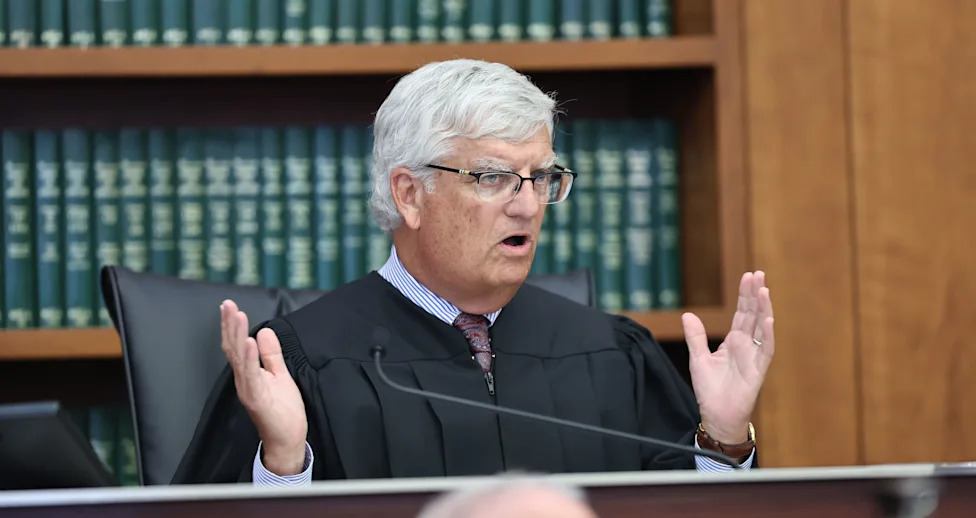
Plymouth Superior Court Judge William Sullivan signed the judicial order on September 14, 2026, ruling that the names and personal information of both deliberating and alternate panel members will stay impounded until further notice. The decision extends a previous temporary protective measure that had been put in place to insulate the citizens tasked with hearing the emotionally charged case.
In his written decision, Judge Sullivan emphasized the extraordinary nature of the public attention that has gripped the state and the nation throughout the legal battle. The proceedings, which were broadcast via live video stream, generated relentless commentary across social networks, leading to a polarized atmosphere that the court found poses an ongoing threat to those who sat on the jury.
Under standard judicial practice in Massachusetts, the names of seated jurors are generally considered public records accessible after a trial concludes. However, Sullivan determined that sufficient good cause had been established to override the presumption of public access, noting that disclosure under the current circumstances could lead to serious, irreversible consequences.
The court explicitly pointed to alarming real-world and digital disruptions that occurred throughout the trial and in its immediate aftermath. Among the documented security breaches was the arrest of a woman who allegedly filmed jurors without authorization as they exited the courthouse, an act that resulted in formal charges of witness and juror intimidation.
Beyond physical stalking outside the courtroom, Sullivan underscored the digital perils facing the panel. Personal information belonging to certain jurors had already been discovered and distributed online without permission, exposing participants to targeted harassment, public doxing, and severe hostility from observers tracking the trial's daily developments.
The judge also revealed that at least one member of the jury directly petitioned the bench to keep the impoundment order active indefinitely. In evaluating that request, Sullivan determined that a "real and present" risk of physical harm and personal harassment remains an active danger to the panel members and could compromise the integrity of civic service in similar high-profile matters.
In his legal analysis, Sullivan concluded that making the complete list of jurors available to the public would inflict "immediate and irreparable injury." Given the climate of hostility, the court found that the constitutional and administrative necessity of shielding ordinary citizens from retribution clearly outweighed the routine disclosure of court rosters.
While the court order strictly prevents the clerk's office and trial participants from disseminating the official juror registry, it does not impose a gag order on the individual jurors themselves. Under the terms of the ruling, any juror remains legally free to voluntarily disclose their own identity or discuss their deliberations and experiences with news outlets if they choose to do so.
In the days following the conclusion of courtroom proceedings, a small number of panel members opted to grant media interviews to provide insight into their deliberations. Nevertheless, the court noted that the vast majority of deliberating jurors and alternate members have firmly turned down media inquiries, choosing to preserve their anonymity in light of the intense public glare.
The extended protective order comes swiftly after the trial reached an inconclusive end in early September 2026. Deliberations culminated in a mistrial after the panel informed Judge Sullivan that it had reached an intractable deadlock, leaving jurors hopelessly divided and incapable of delivering a unanimous verdict on the criminal charges.
The underlying criminal proceedings stem from the January 2023 deaths of Clancy's three young children at the family's residence in Duxbury, Massachusetts. The tragic case drew immense regional and international attention, sparking fierce public debates regarding mental health, criminal responsibility, and maternal accountability.
With the initial trial ending without a resolution, Clancy and her legal team are scheduled to appear back in Plymouth Superior Court later this month. Both the defense counsel and prosecutors are actively litigating procedural motions and outlining their legal strategies regarding how the Commonwealth will move forward with the indictment.
The indefinite sealing of the juror list underscores the growing challenge trial courts face in managing the collision between high-profile criminal litigation and rapid, unregulated social media commentary, ensuring that the private citizens called to fulfill their constitutional civic duty do not become targets long after they leave the jury box.





(0)