
Gardeners seeking to create dynamic outdoor spaces are increasingly turning to bell-shaped and nodding blossoms to bring a soft, storybook aesthetic to residential landscapes. These distinctive floral shapes offer natural elegance across flower beds, bordering walkways, and within patio containers. Ranging from towering structural stalks to low-growing ground covers, plants with pendulous blooms introduce both striking focal points and delicate accents that fit diverse planting schemes and seasonal schedules.
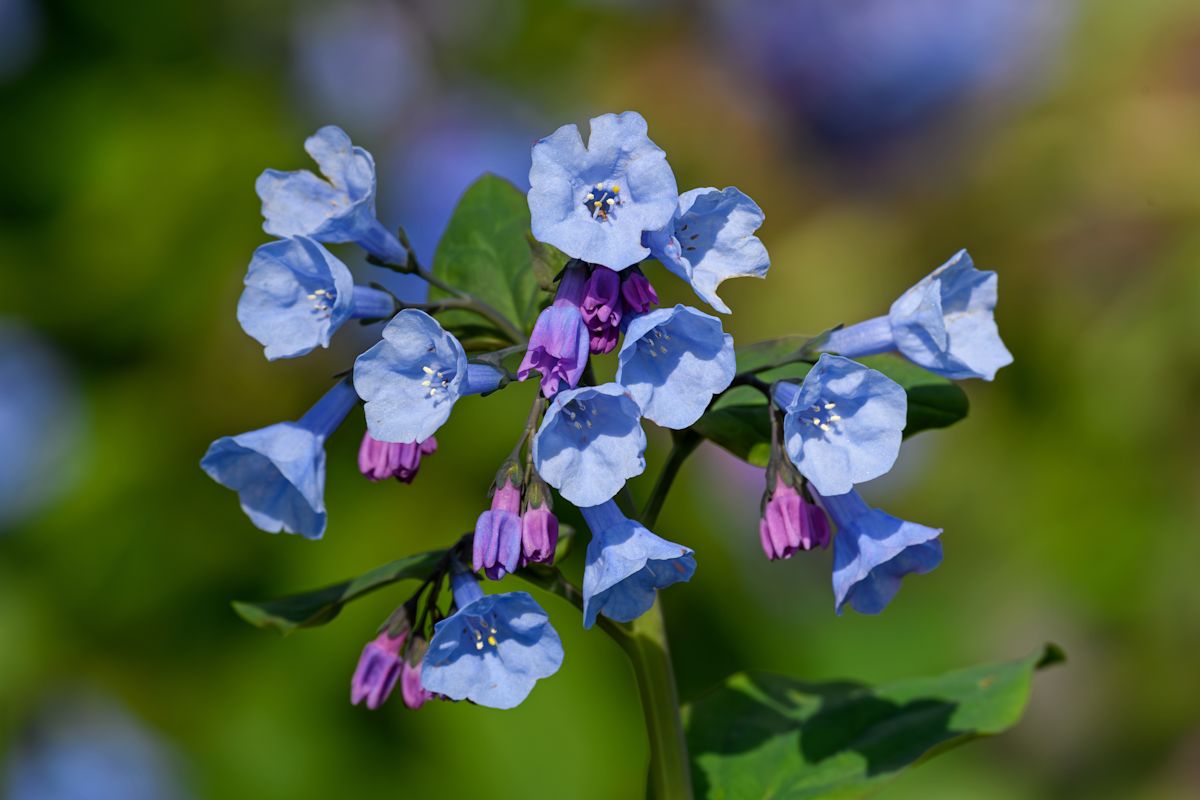
For early season displays, native woodland varieties establish an organic, naturalized foundation. The Virginia bluebell, indigenous to the Eastern United States, is celebrated for its graceful transformation in spring. Emerging with rounded, gray-green to pale foliage on stems reaching up to two feet, the plant bears tubular clusters that shift from delicate pink to vibrant clear blue before the foliage naturally dies back for summer dormancy. Alongside it, bellwort serves as an ideal shade-loving companion in USDA Hardiness Zones 4 through 9, producing nodding yellow blooms with elongated petals that brighten understory beds.
Unusual patterns and protective qualities also make certain bulb varieties valuable in partially shaded borders. Fritillaries, noted for their pendulous, checkered-pattern blossoms, thrive in cool, well-draining soil and shaded settings. Beyond their visual interest in woodland settings, these bulbs naturally deter burrowing rodents and squirrels. While varieties like *Fritillaria imperialis* are frequently treated as annuals by home gardeners, they possess the capacity to reliably rebloom as perennials when provided with optimal growing conditions.
To achieve vertical height in darker corners of the yard, foxgloves remain a classic staple for late spring through early summer. Cultivated across Zones 4 through 10, their tall flower spikes are covered in rows of downward-facing bells that create strong vertical lines in shaded borders. These towering blooms help transition the garden from spring ephemerals into full summer growth while drawing the eye upward against fences and tree lines.
For the lower layers of shaded spaces, coral bells (*Heuchera spp.*) deliver season-long appeal through their dense mounds of vibrant foliage, accented by wispy, upright stems bearing tiny bell blossoms. These robust perennials rarely succumb to plant diseases, making them dependable choices for woodland designs where they consistently attract pollinating insects. In late winter, before coral bells reach full flush, delicate white snowdrops emerge to signal the start of the growing season, pushing through partially shaded clay soils provided the ground remains uncompacted and adequately drained.
In open, sun-drenched areas where soil quality may be challenging, drought-tolerant species offer reliable performance. Beardtongue, also known botanically as *Penstemon*, excels in poor, rocky, and fast-draining soil under direct sunlight. Reaching heights of up to four feet in Zones 3 through 9, this hardy perennial produces long-lasting flower spikes distinguished by a unique pollen-free stamen, needing only weekly moisture during peak summer heat to maintain its blooms.
Woody ornamentals provide another means of incorporating bell-like blossoms into full-sun environments. Weigela, a vigorous shrub capable of growing up to six feet tall, readily adapts to heavier clay soils. In late spring and summer, it produces dense clusters of pink to deep red tubular blooms that serve as a strong draw for local pollinators while establishing a solid boundary or hedge line.
Fragrance is an additional dimension offered by classic spring bulbs such as the hyacinth. Available in diverse shades ranging from deep blue to soft pink and crisp white, hyacinths can be cultivated outdoors in well-aerated soil or forced into early bloom indoors in pots. Their tightly packed florets emit a pronounced sweet fragrance that enriches both patio perimeters and interior living spaces.
Sunny garden edges benefit significantly from bellflowers, whose open, nectar-rich cups bloom in shades of purple, blue, and white. These versatile perennials are favored for border applications, delivering reliable summer color while sustaining beneficial insect populations. Their neat growth habits allow them to interplant seamlessly with other sun-loving companions.
For gardeners managing uneven terrain, Golden Columbine (*Aquilegia chrysantha*) offers both ornamental appeal and practical resilience. Featuring bright petals contrasted against deep, clover-like leaves, its distinctive five-spurred blossoms stand out on rocky ledges, slopes, and open beds. Columbine naturally attracts wildlife while remaining unpalatable to browsing deer, making it a functional choice for rural and semi-rural properties.
Another reliable naturalizer for borders and turf edges is the daffodil (*Narcissus*). Spanning Zones 3 through 8, daffodils produce iconic trumpet-shaped blossoms featuring a central cup framed by exterior petals. Requiring full to partial sun and well-drained soil, these low-maintenance bulbs multiply over successive seasons, gradually increasing in density and creating larger color swaths each spring.
In damp and shaded settings where wildlife damage is a constant concern, lungwort (*Pulmonaria*) provides an early spring defense. This resilient perennial features textured, bristly foliage that naturally discourages deer grazing, allowing its early bell-shaped flowers to bloom undisturbed beneath tree canopies and along shaded foundations without the need for physical barriers.
Vertical interest in sunny microclimates can be completed with climbing morning glory vines. Known for their expansive, trumpet-style blue blossoms, these rapid growers open each morning to greet the sun before closing by afternoon. Grown primarily as annuals in cooler zones and as perennials in warmer regions, they require full sun, regular moisture, and well-draining soil to sustain their dynamic daily blooming cycle across trellises and fences.
By combining these diverse species across varying light levels, soil textures, and vertical planes, home gardeners can cultivate a resilient, continuous display. From early winter snowdrops to midsummer climbing vines, bell-shaped blooms offer a cohesive design framework that balances ornamental beauty with wildlife utility and practical garden performance.


(0)