
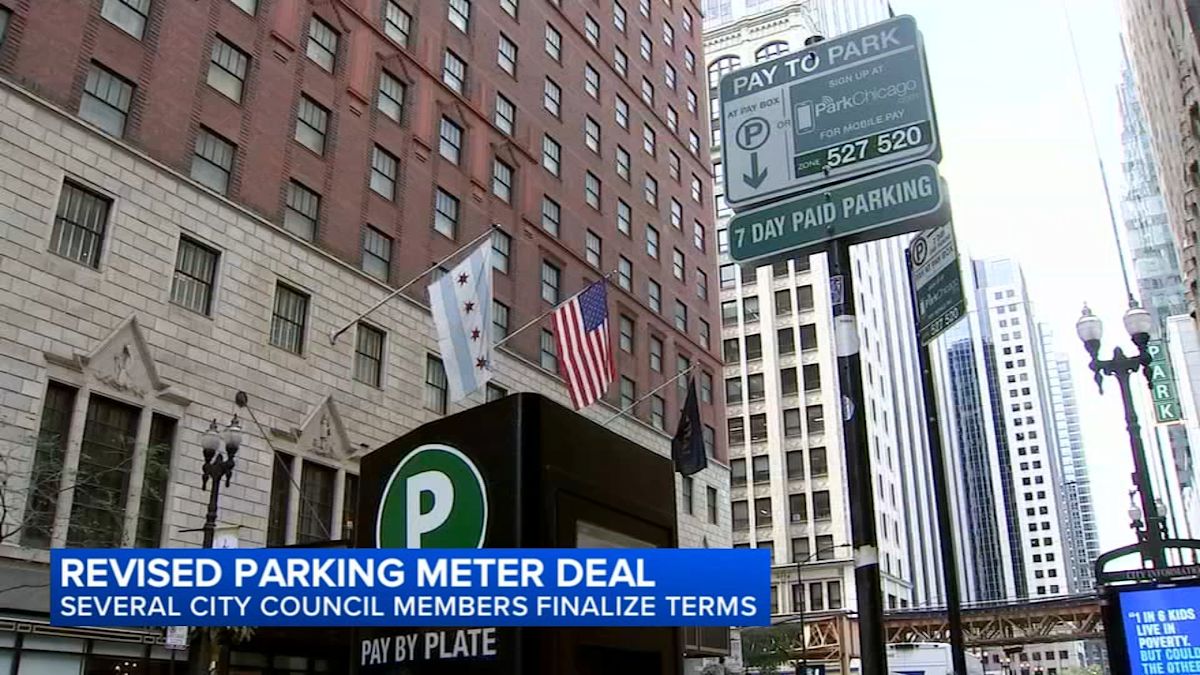
Chicago alderpersons have negotiated a proposed restructuring and transfer of the city's privatized parking meter concession to private equity firm Stonepeak Partners. The emerging plan promises to inject hundreds of millions of dollars into municipal accounts while addressing long-standing political and ethical disputes that have stalled previous attempts to alter the contentious system.
Under the terms hammered out during several months of discussions, the New York-based investment group would pay the municipal government an immediate $75 million transfer fee upon closing the transaction. Furthermore, the city would secure an ongoing 5% cut of the parking meter network's annual net operating income, an arrangement projected to yield upwards of $376 million over the remaining lifespan of the multi-decade agreement.
City leaders have stipulated that every dollar generated through both the upfront transfer fee and the ongoing revenue-sharing mechanism must be channeled directly into Chicago’s underfunded public pension systems. This dedicated financial stream is designed to ease the city's severe long-term liabilities without placing additional tax burdens on residents.
The proposed transaction represents the most significant shift in parking meter management since 2008, when the city leased its entire meter network to Chicago Parking Meters LLC under a widely criticized 75-year contract. That original arrangement has remained one of the most reviled privatization agreements in municipal history, leaving local officials with minimal operational control and lingering civic frustration.
Echoing the persistent anger surrounding the 2008 agreement, 27th Ward Alderman Walter "Red" Burnett described the initial privatization as the most toxic deal in the history of Chicago. For nearly two decades, city leaders have explored avenues to recoup value or renegotiate the parameters of the concession, which severely constrained municipal street planning.
Public discontent has also been fueled by steep increases in parking costs across the city, particularly in the downtown Loop where hourly meter rates have more than doubled since the 2008 lease took effect. The sharp escalation in driver fees has sustained public skepticism toward any corporate ownership of the city’s curbside infrastructure.
Unlike prior mayoral efforts to address the meters, this latest framework was directed independently by leading members of the City Council alongside the municipal law department. Aldermen chose to take the reins directly after Mayor Brandon Johnson mounted an unsuccessful, privately held initiative last year to buy back the meter concession, a maneuver that drew widespread criticism over a lack of procedural transparency.
Supporters among the council leadership have praised the negotiated outcome as a pragmatic victory that extracts value from an otherwise unyielding contract. Alderman Scott Waguespack of the 32nd Ward characterized the settlement as a solid achievement, acknowledging that while it cannot erase the missteps of past decades, it establishes a considerably stronger foundation for the city over the decades ahead.
To clear a major political hurdle, Stonepeak Partners also committed to divesting from Omni Air International. The charter carrier’s involvement in transporting undocumented immigrants during federal Immigration and Customs Enforcement deportation operations under the Trump administration had previously generated intense backlash among several council members and immigration advocates.
That concession has softened some resistance inside City Hall, though several representatives remain cautious. Alderman Mike Rodriguez of the 22nd Ward indicated that the divestment from the aviation firm is a step in the right direction, though he noted he will consult his constituents before deciding whether the revised framework warrants his final vote.
Mayor Brandon Johnson has refrained from offering an explicit public endorsement of the plan. Nonetheless, the mayor stated that he remains grateful and optimistic regarding the council's work, expressing hope that lawmakers will find a viable path to finalize an improved arrangement on behalf of local taxpayers.
Finance Committee Chair Pat Dowell emphasized that the council assumed responsibility for the talks only after the mayor initially handed off the challenge to the legislative branch. Dowell stated that because the administration left the task to the council, she expects the mayor to actively assist in whipping the votes necessary to secure passage across the chamber.
Supporters of the measure have stressed that moving forward with the transfer carries critical urgency. Dowell warned that rejecting or delaying the agreement beyond the end of the month could trigger severe legal exposure, potentially plunging the city into binding arbitration or protracted court battles that could cost Chicago billions of dollars.
Public response to the proposed financial recovery remains divided among city residents. Sachin Bhalerao, a downtown resident, voiced support for the compromise, noting that any legitimate mechanism to recoup municipal revenue is worth pursuing. Conversely, Nina Arceta, a resident of the Northwest Side, expressed skepticism about the broader impact, arguing that the recovered funds will fail to make a meaningful difference for ordinary taxpayers.
The full City Council is expected to take up the proposed agreement for a formal vote next week after earlier committee votes were postponed to resolve member concerns over ethics and procedural transparency. Council leaders are working against the month-end deadline to ensure the deal closes and protects the city from costly litigation.


(0)